History and culture

As you explore Karaburun-Sazan National Marine Park, immerse yourself in the rich history and cultural heritage that these remarkable sites offer. Each destination holds tales of the past, contributing to the allure of this coastal gem. Discover the captivating blend of nature and history, creating an unforgettable experience for all who venture into this fascinating marine park.

Sazan island

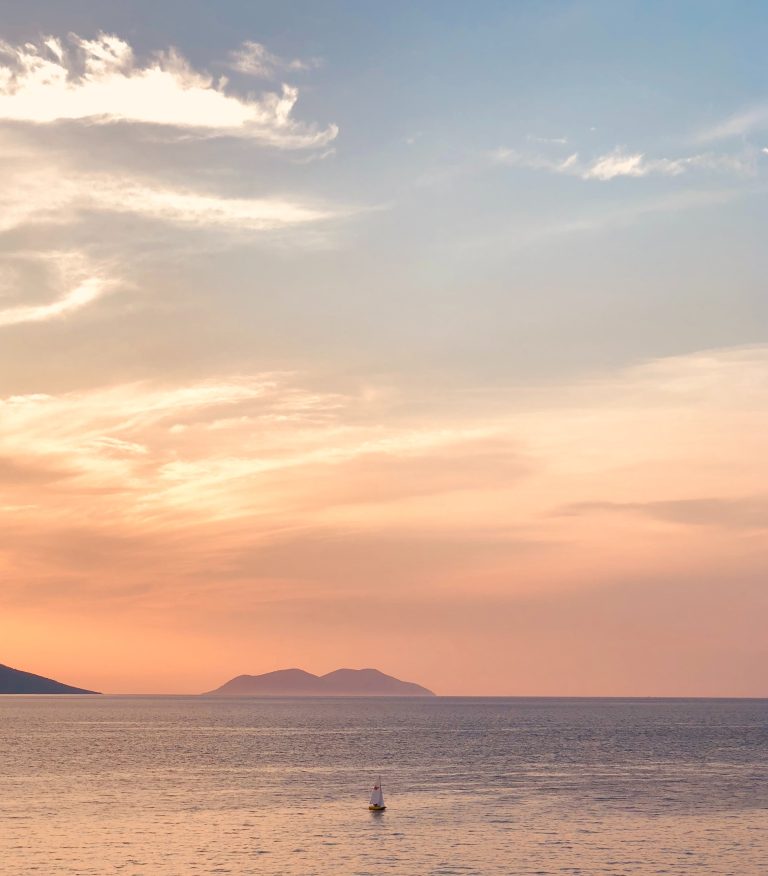
Sazani Island, the largest island off Albania’s coast, holds rich historical significance dating back to military episodes in 215 BC. Positioned at a strategic crossroads in the Mediterranean, the island has been a crucial military defense point throughout history.

With remains of settlements from various countries in the 20th century, including Greek, Italian, German, and Albanian, Sazani Island bears witness to its diverse military past. The island’s landscape still displays remnants of housing blocks, schools, cinema, hospital, and powerhouse, which carry historical importance.

Beyond its military heritage, Sazani Island boasts exceptional biodiversity values, making it one of the ecological jewels in the central Mediterranean. Approximately 300 plant taxa and a national hotspot for about 40 avian species, including European Nightjar, Alpine Swift, and the magnificent Eagle Owl, contribute to its ecological significance.

Unique herpetological populations, particularly the high density of Algyroides n. nigropunctatus, add to the island’s ecological value. Moreover, ten entomofauna species new to Albania have been recorded on Sazani Island.

Haxhi ali cave

The enigmatic Haxhi Ali Cave, nestled in the beauty of Karaburuni, is a Nature Monument that entices visitors with its historical allure. This cave has witnessed significant events throughout history and stands as a testament to the region’s enduring past. Named after the infamous pirate Haxhi Ali, who roamed these coastal waters in the 18th century, the cave carries echoes of its piratical past. Exploring Haxhi Ali Cave unveils not only its natural wonders but also the captivating stories of a daring pirate who once sailed these seas.

The Archaeological Park of Orik

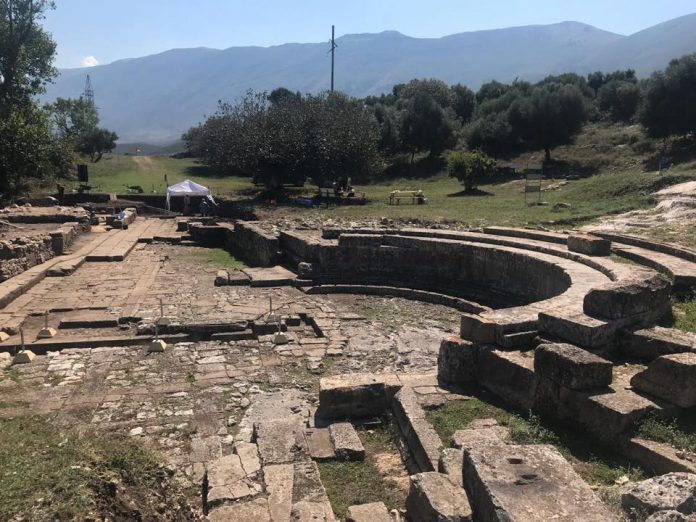
Nestled along the eastern fringes of the Karaburun Peninsula, the Archaeological Site of Orik reveals a compelling historical journey dating back to the 6th century BCE. Orik played a pivotal role in the 5th century BCE as an essential Epirote harbor, as documented by Herodotus and Hecataeus of Miletus. The 3rd century BCE marked Orik’s significance in the conflicts between Macedonia and Rome, culminating in the battle of Caesar and Pompey in 48 BCE.
Central to Orik’s heritage is its monumental Hellenistic fountain, adorned with dentil ornamentation and a semi-circular stairway. Comprising chambers measuring 5×12.60 meters and 3.7×17.4 meters, this architectural wonder experienced a resurgence in 2013 with the discovery of an enigmatic stepped structure within an underground conduit.
Amid the city’s defensive walls, a submerged segment measuring 44 meters in length and 1.90 meters in height harks back to the late antiquity period, preserving echoes of bygone times beneath the serene lagoon’s surface. Orik’s architectural evolution weaves through eras, with Hellenistic sandstone walls erected without mortar alongside later antiquity’s repurposed stone blocks connected with mortar. Dwellings carved into the hill’s natural rock reflect Hellenistic dimensions, offering a glimpse into ancient times.
The Archaeological Site of Orik invites exploration of history’s enigma, with the knowledgeable guidance of the Regional Directorate of National Culture, accessible via the Military Checkpoint at Pashaliman Base.

Inscription in the Grama Bay Cliff

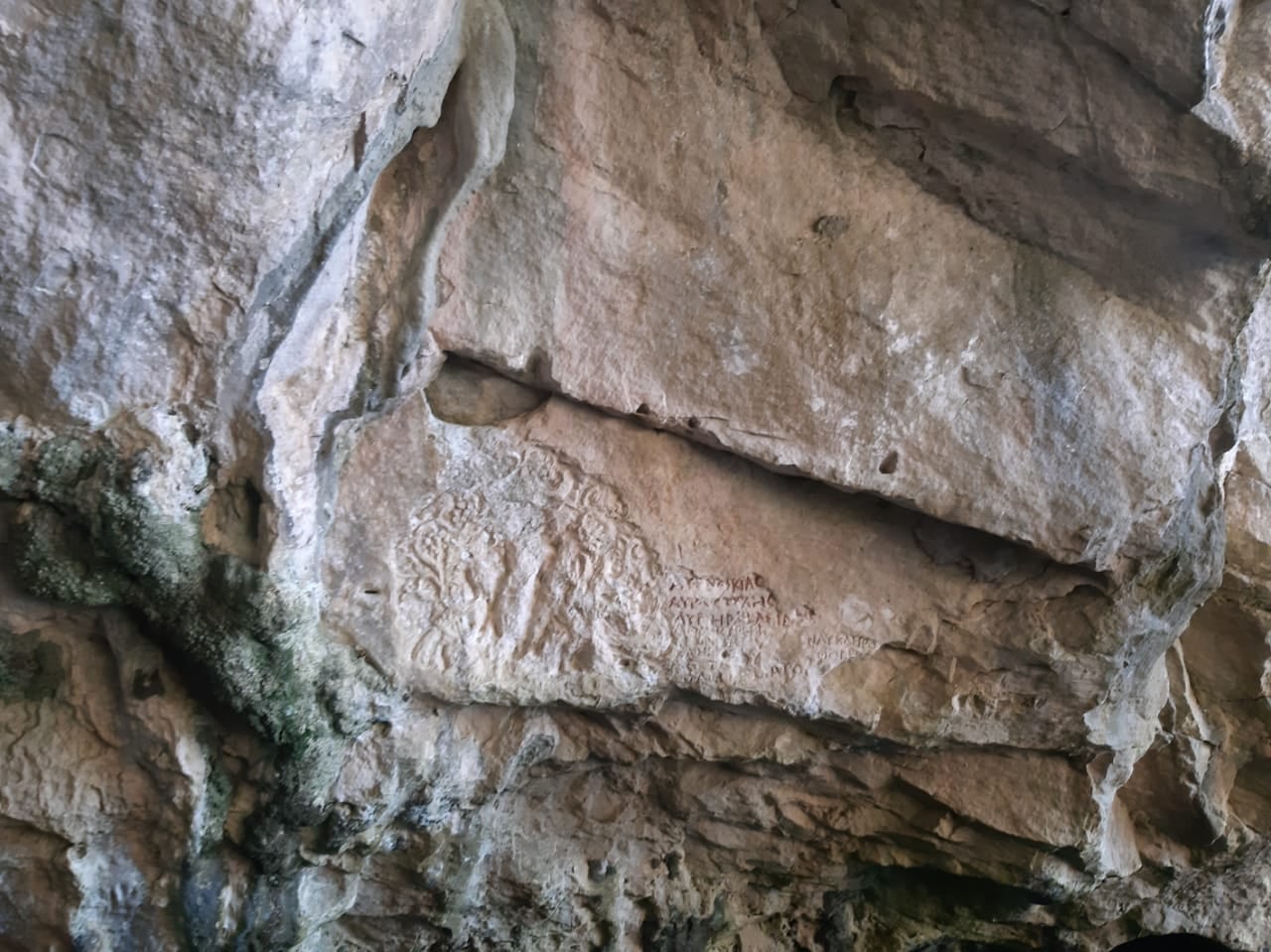
The Bay of Gramata, also referred to as the Bay of Letters (Gjiri i Shkronjave .gr), graces the western slopes of the Karaburun Peninsula. In its early history, this bay was utilized as a source of local stone, leaving traces of massive rock formations that persist on both sides to this day. Rising to a height of 130 meters and spanning a width of 100 meters, these towering cliffs once yielded stone blocks transported by sea to fuel major urban construction projects like Epidamn-Dyrrah and Apollonia.
Through the ages, the Bay of Gramata offered respite to seafarers seeking refuge from storms, a tradition harking back to antiquity. This role continued well into modern times, as indicated by 16th-century Greek portolans. Among the remnants are numerous ancient inscriptions in Greek, dedicating homage to the Dioscuri—Castor and Pollux—the revered guardians of sailors and ships. Notably, these inscriptions also bear the names of historical luminaries, including Cnaeus Pompeius, Byzantine Emperor John V Palaiologos, and even Mark Antony. The cumulative count of inscriptions is estimated at approximately 1500 pieces.
Designated as a cultural monument, the Bay of Gramata harmoniously melds with its breathtaking natural surroundings, solidifying its status as a recognized natural monument.

GALLOVECI BUNKERS

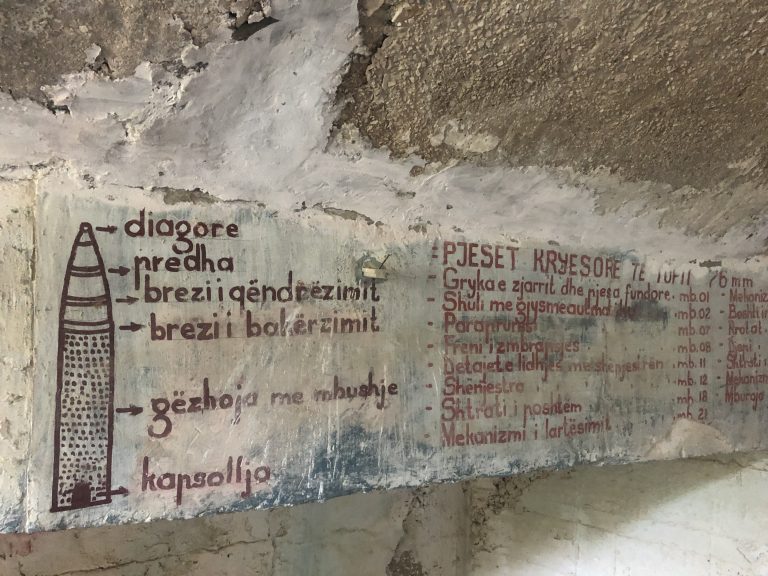
Galloveci Bunkers, situated near Galloveci Cape, serve as a poignant reminder of Albania’s modern history. These Cold War-era bunkers bear witness to a time of conflict and offer a glimpse into Albania’s communist past, providing a unique insight into the nation’s historical legacy.

The bunkers can be visited following the military road along the eastern side of the peninsula coastline. They are not to be missed when visiting the park.

SHIP WRECKS IN PARK AREA

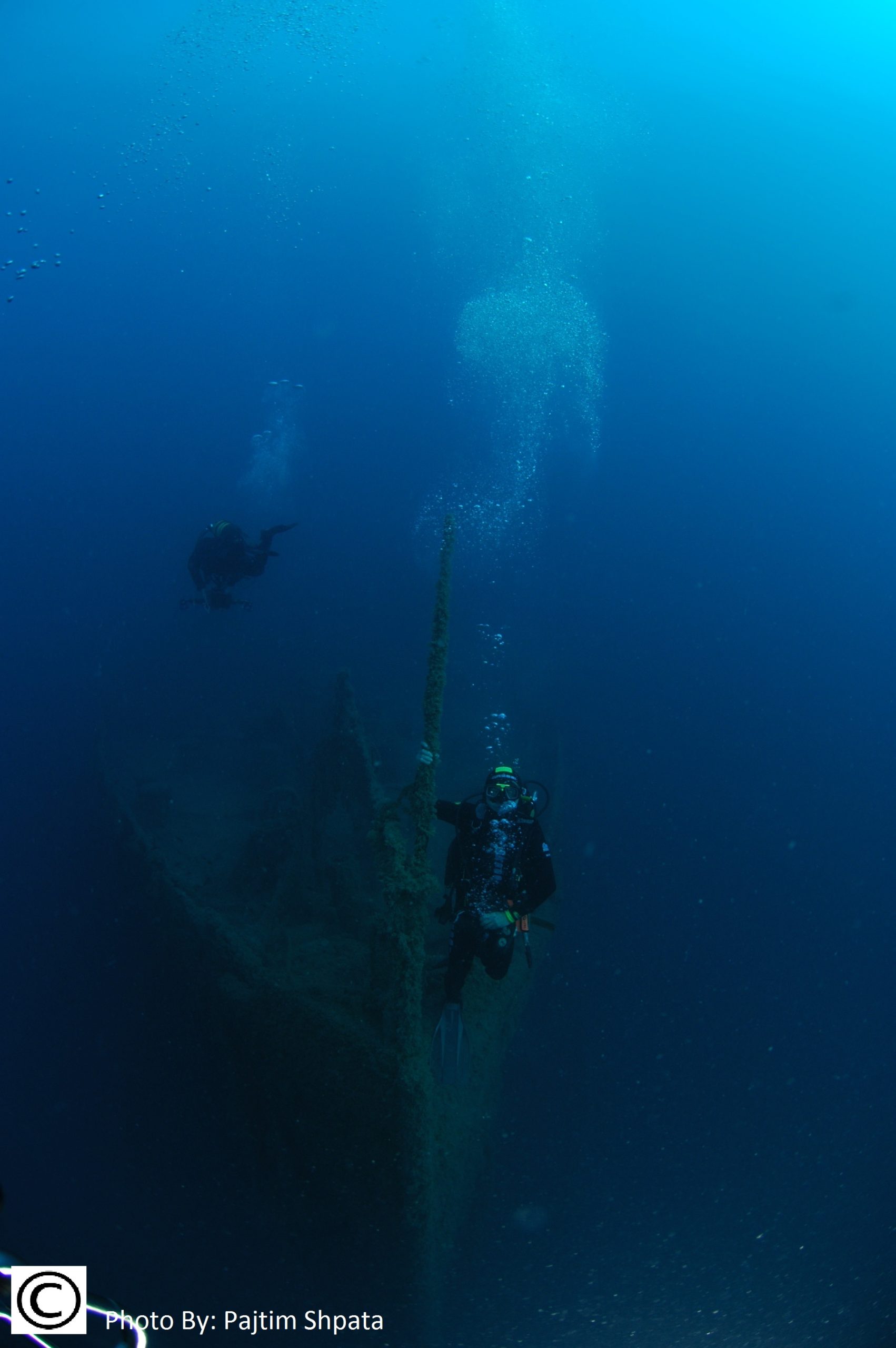
A large number of sunken ships of this period are thought to be found in the bay and lagoon where most of the ancient Oric is still found to this day sunken. The archaeological significance of the ruins (most of which are still sun sunched in water) is estimated to have a great significance.

Many shipwreats (mostly on the west coast), amphoreas near St Nicholas’ Cape on the East Coast of Sazan Island can be of tourist value to underwater explorers.

The marine waters of Karaburun-Sazan National Marine Park hold the stories of numerous sunken ships, some from the two World Wars. These shipwrecks serve as underwater time capsules, preserving connections to other civilizations starting from the Greek and Roman periods. 

Scroll to Top