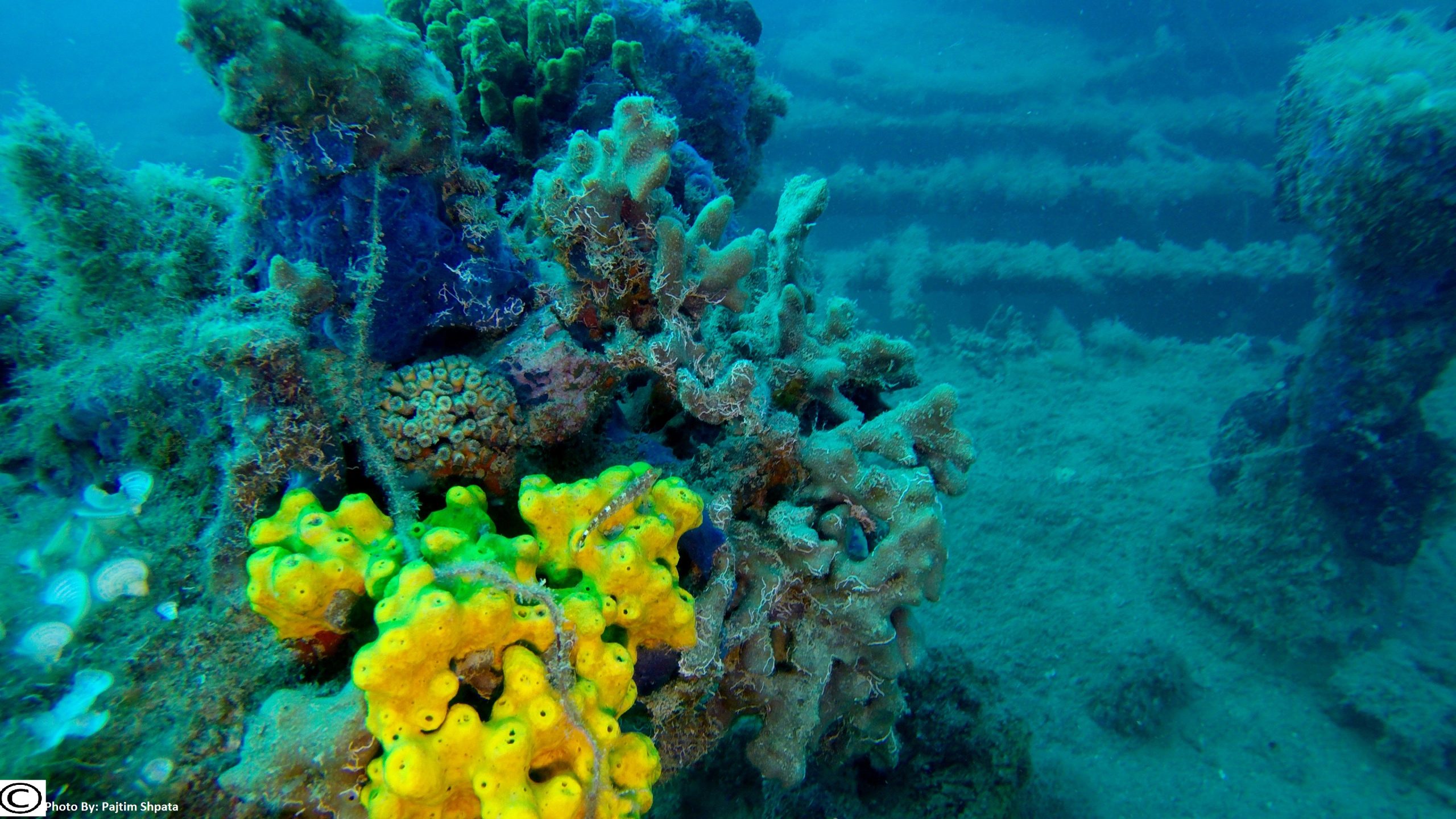
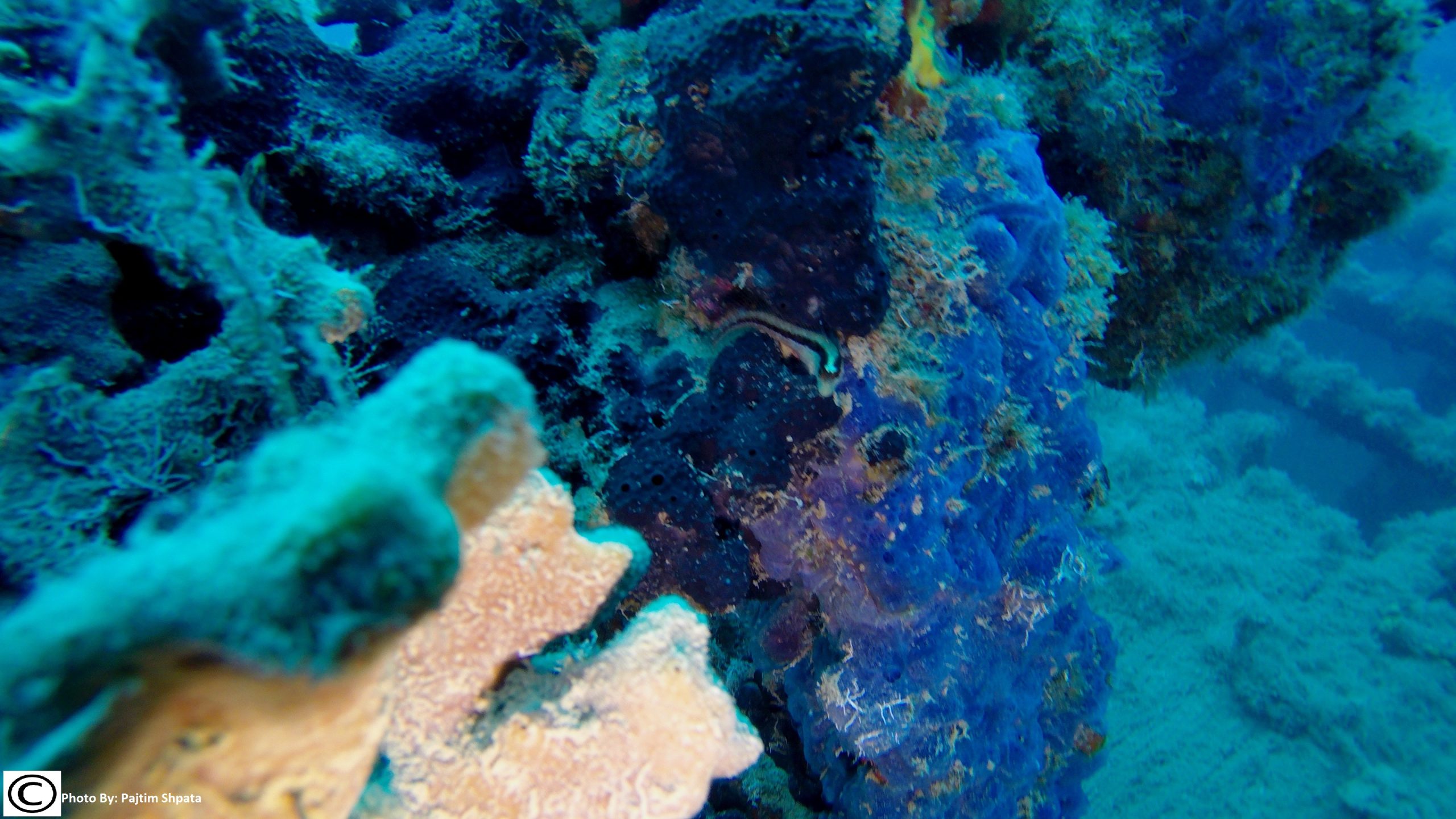
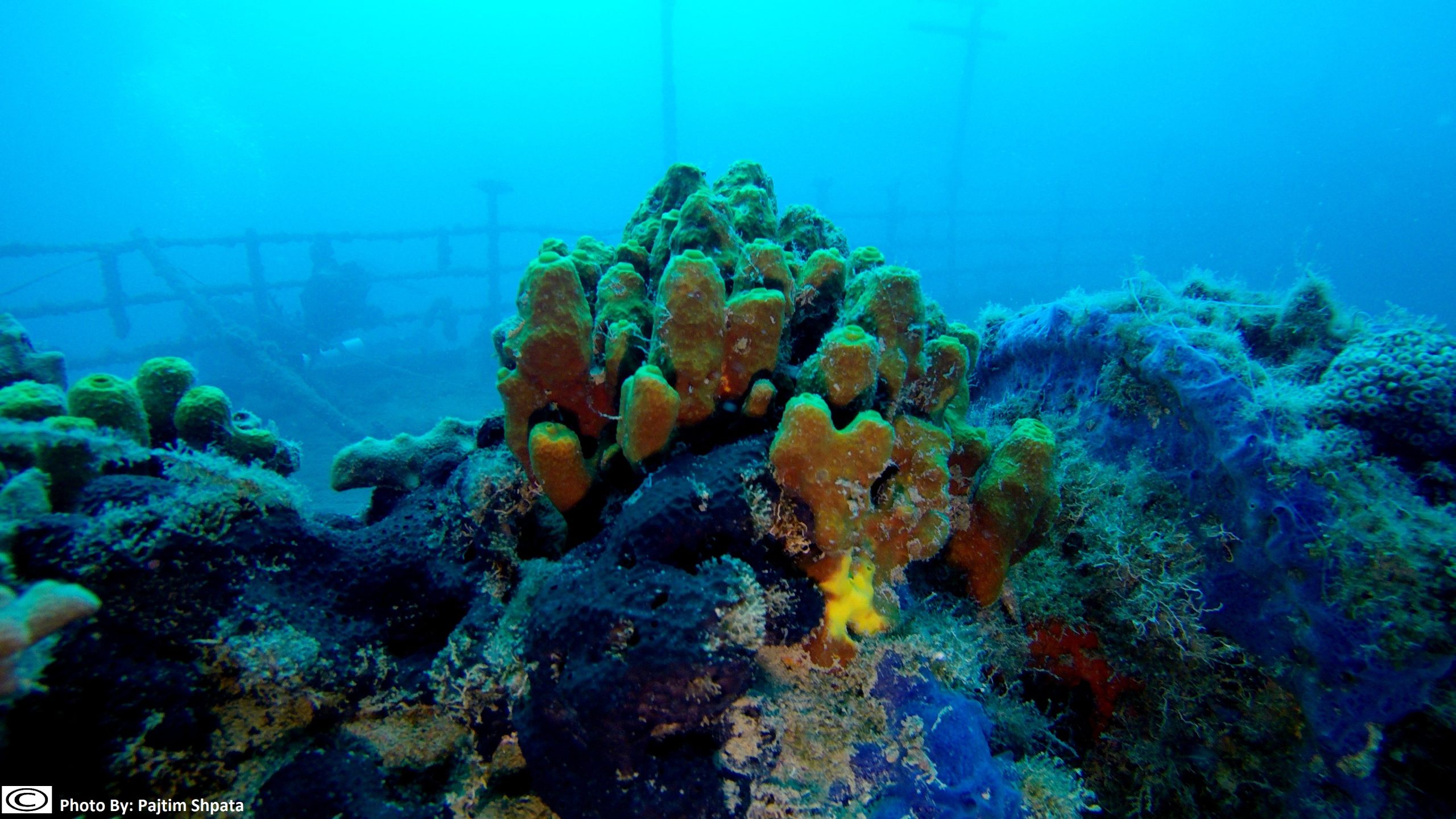
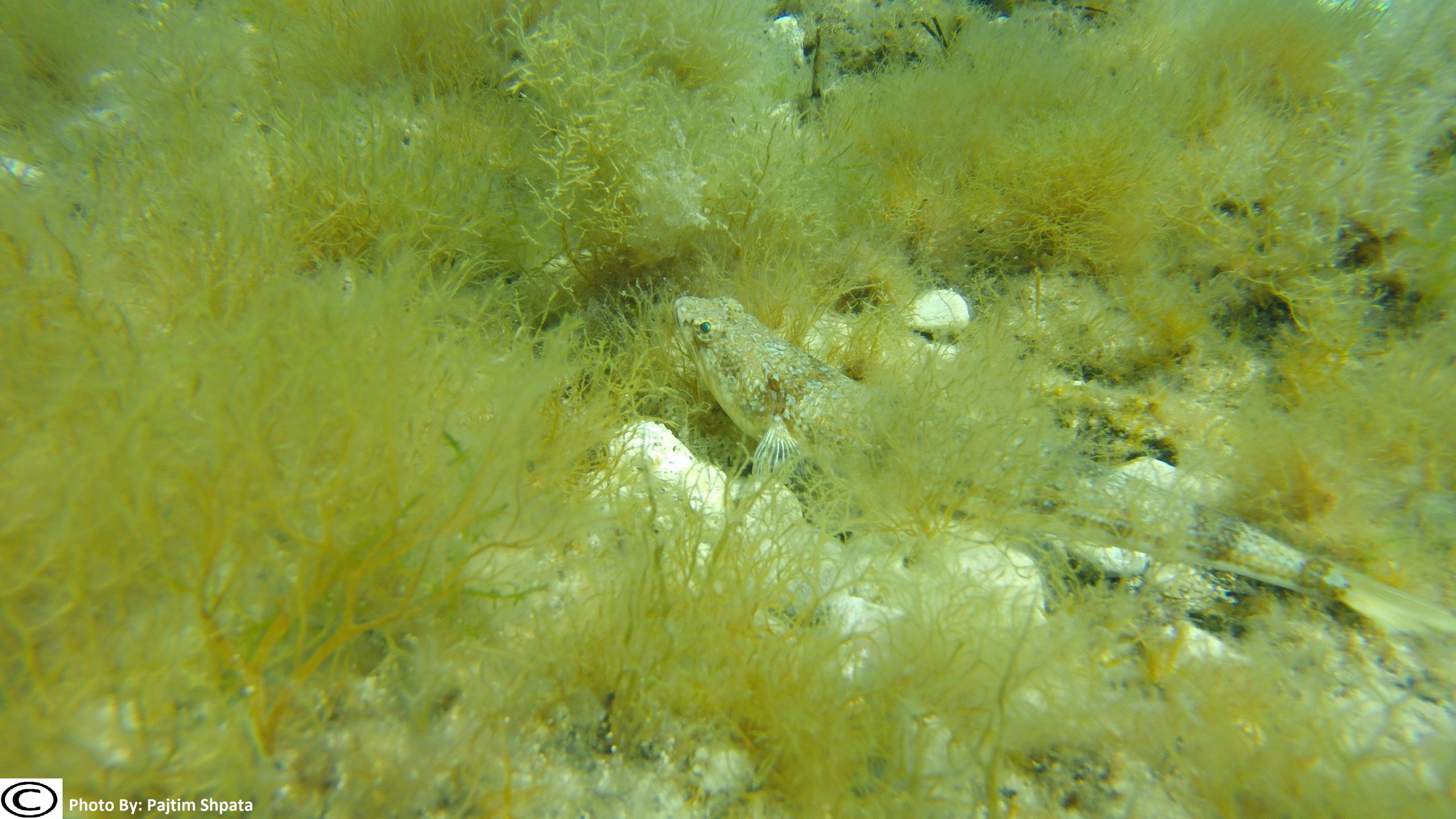
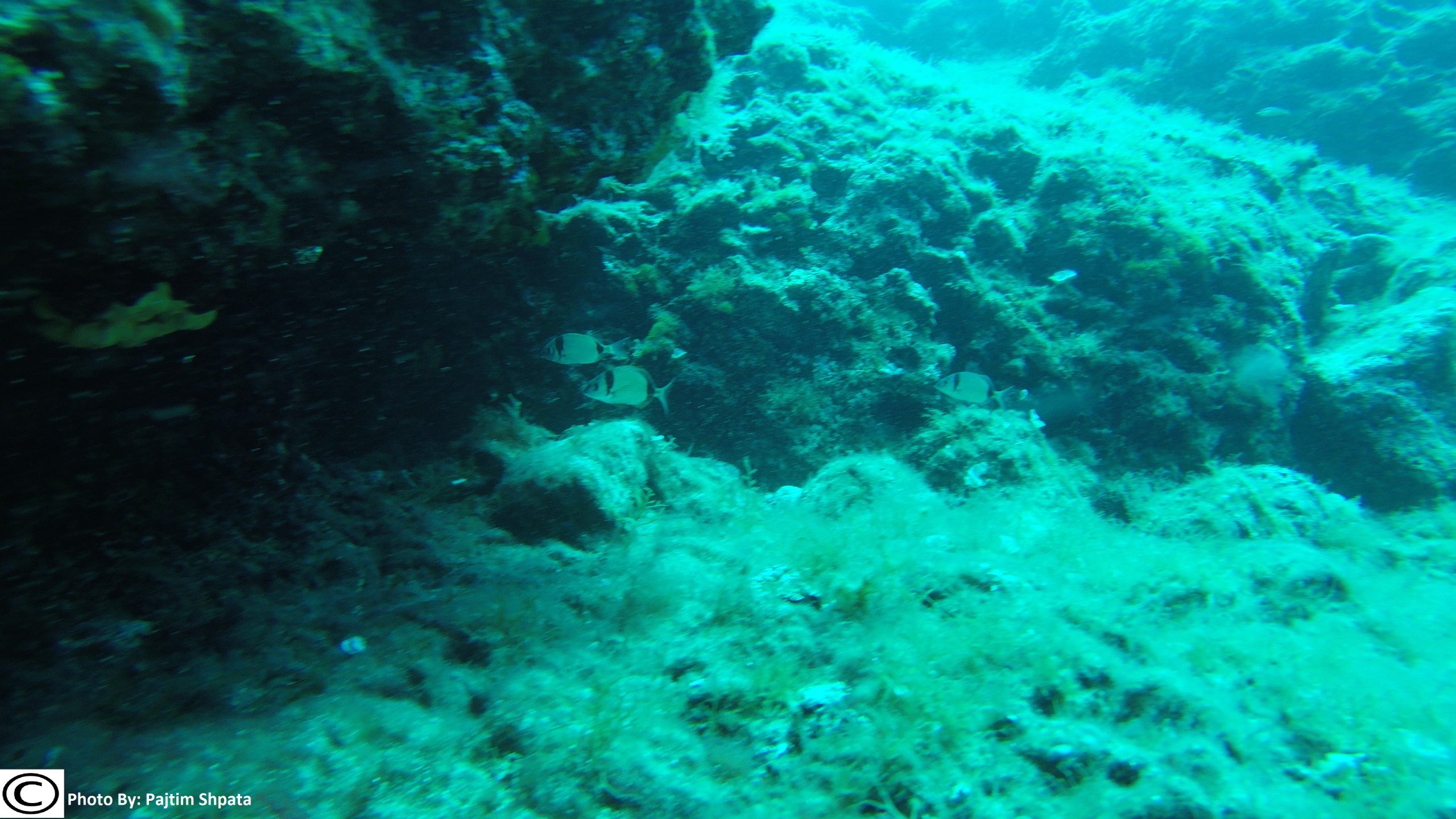
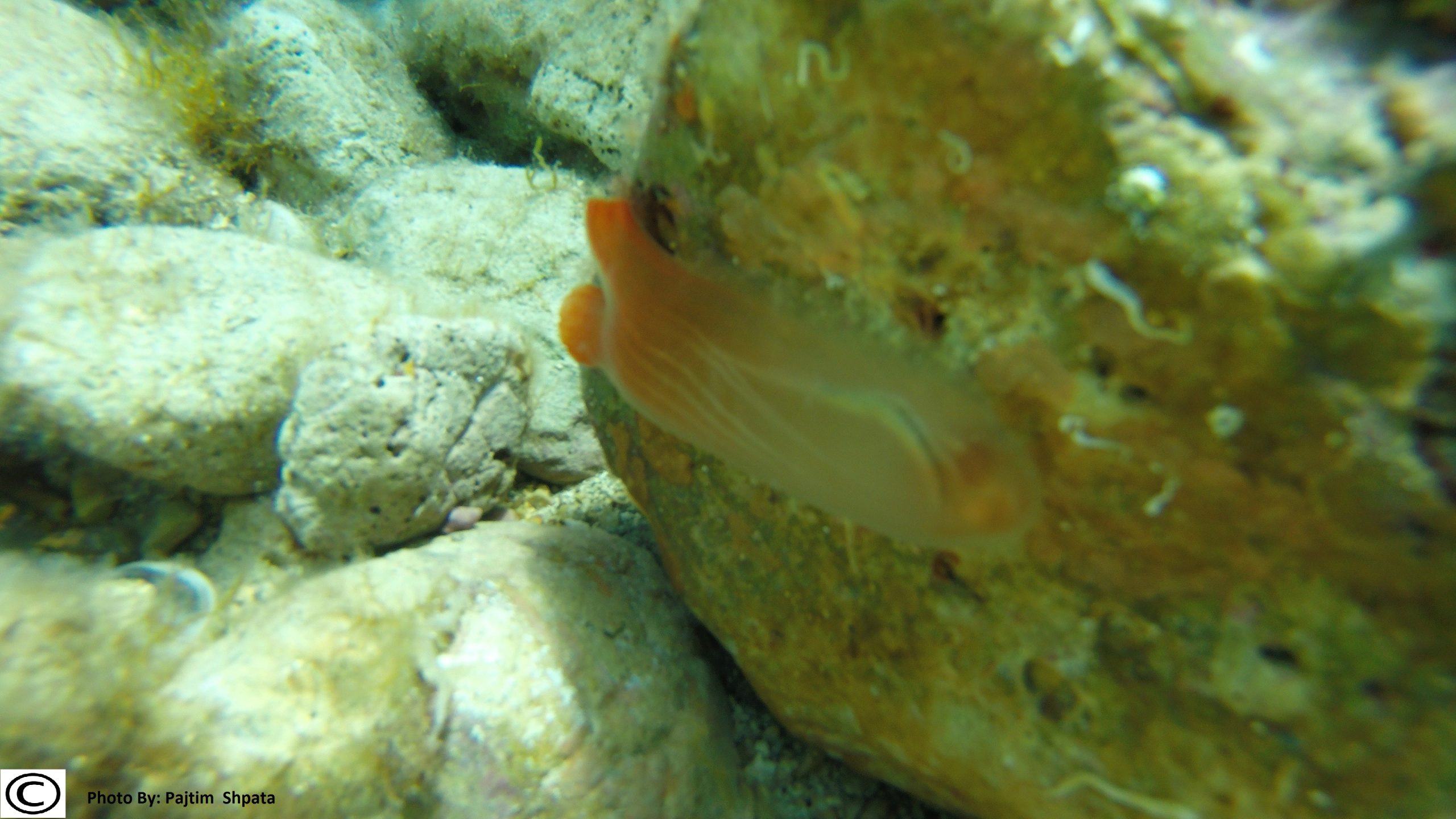
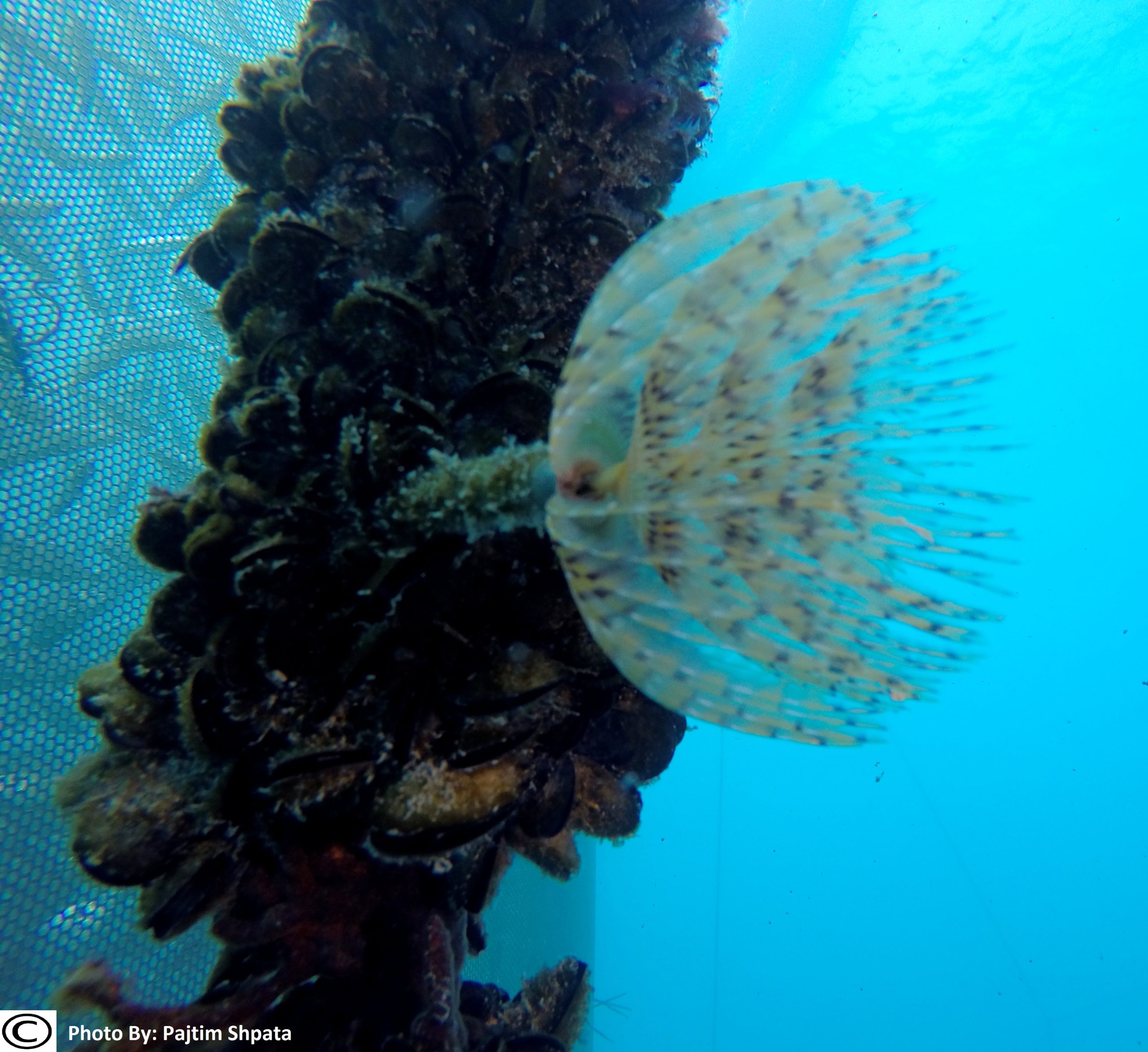
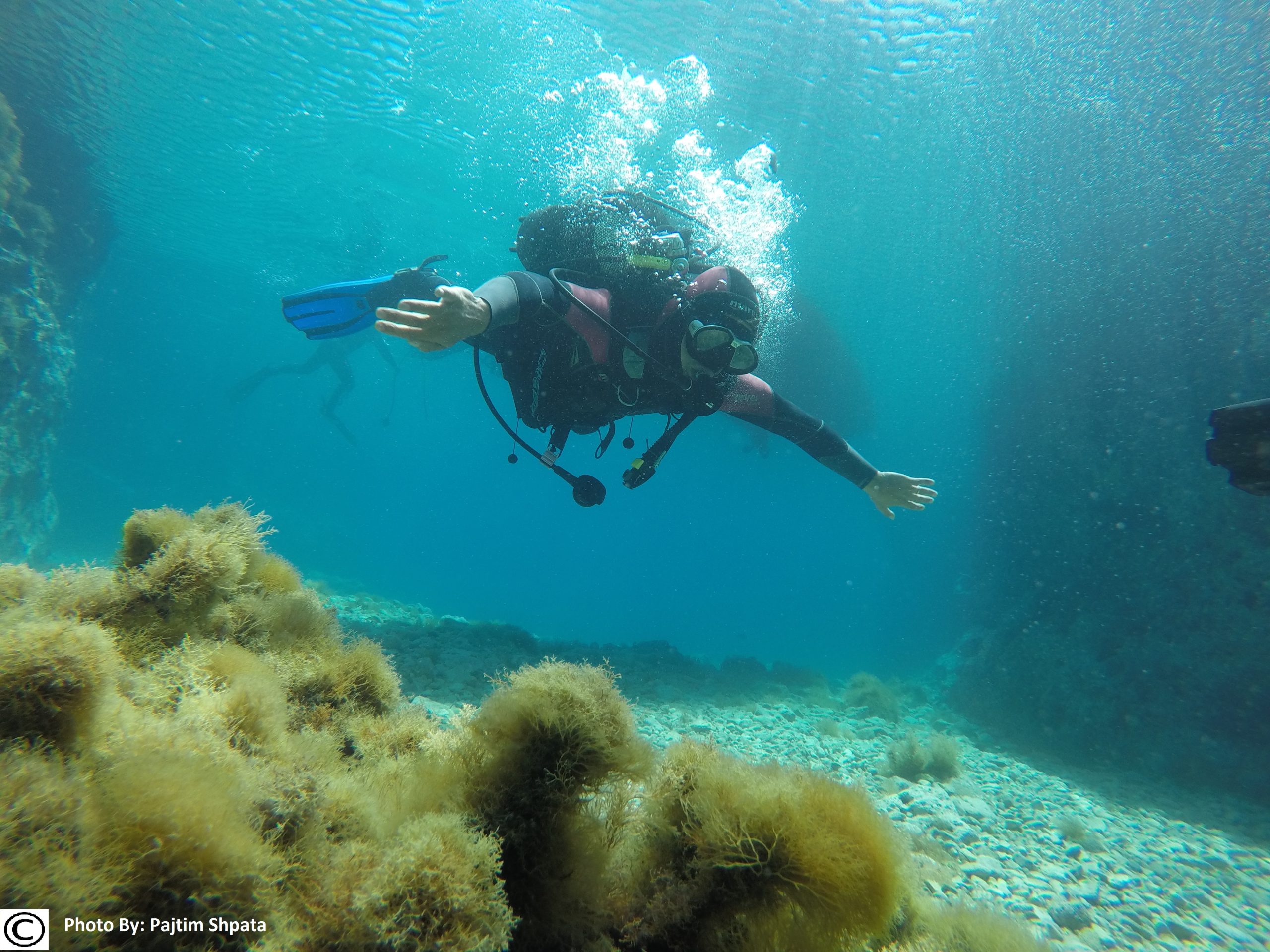
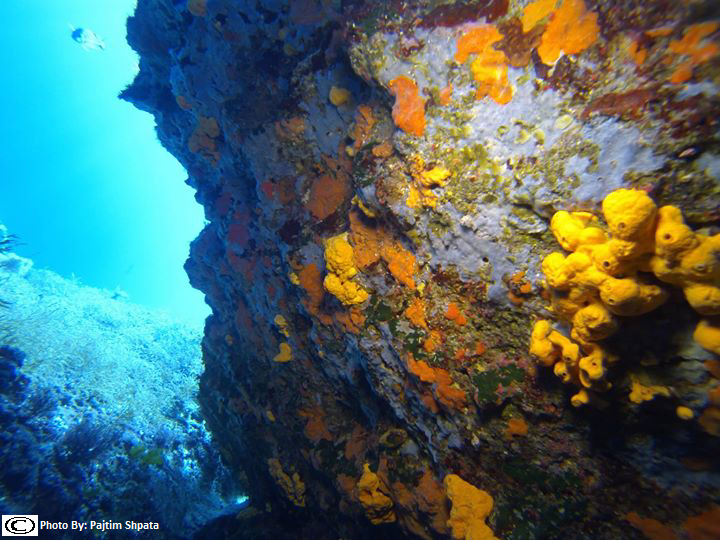
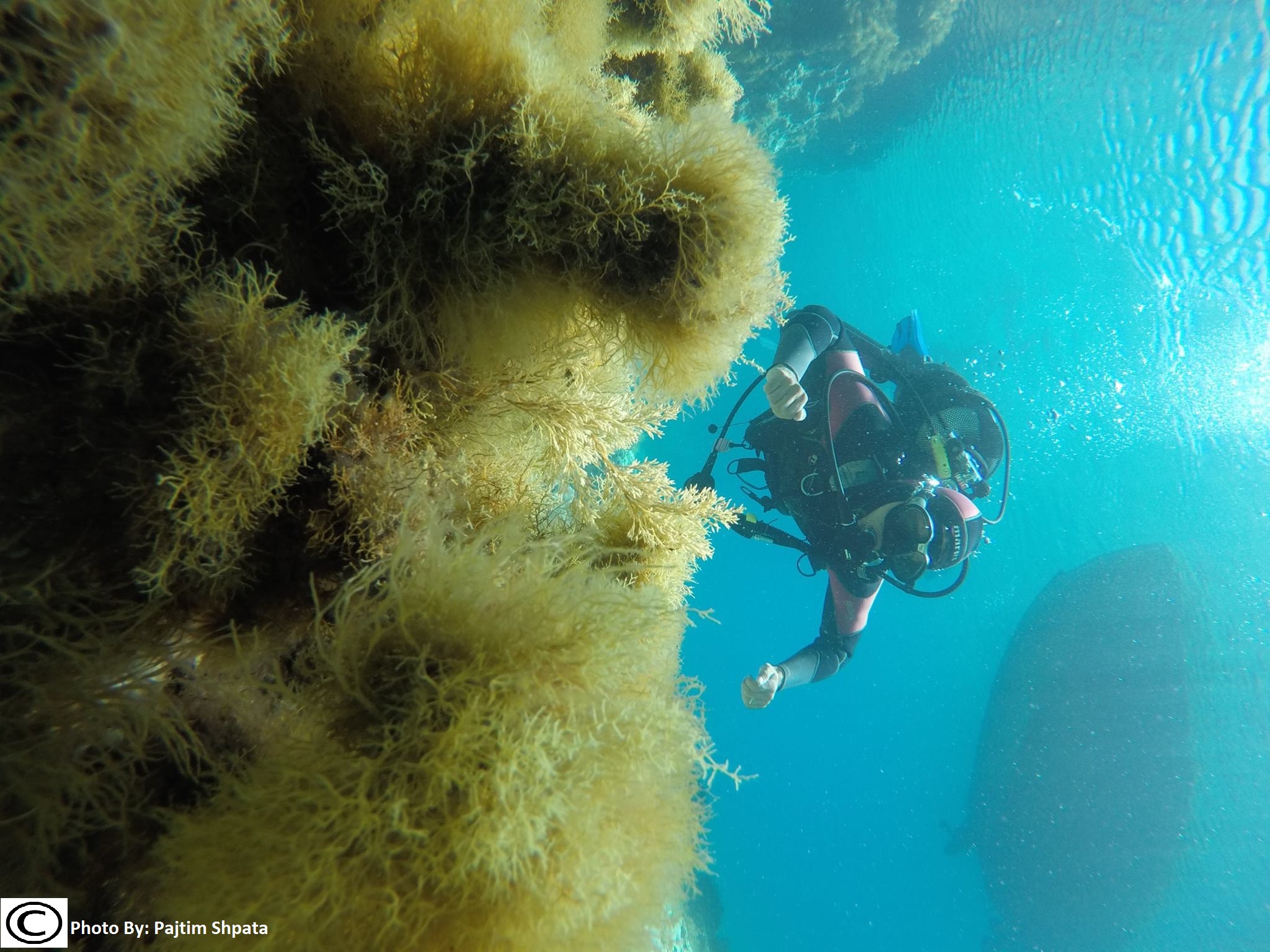
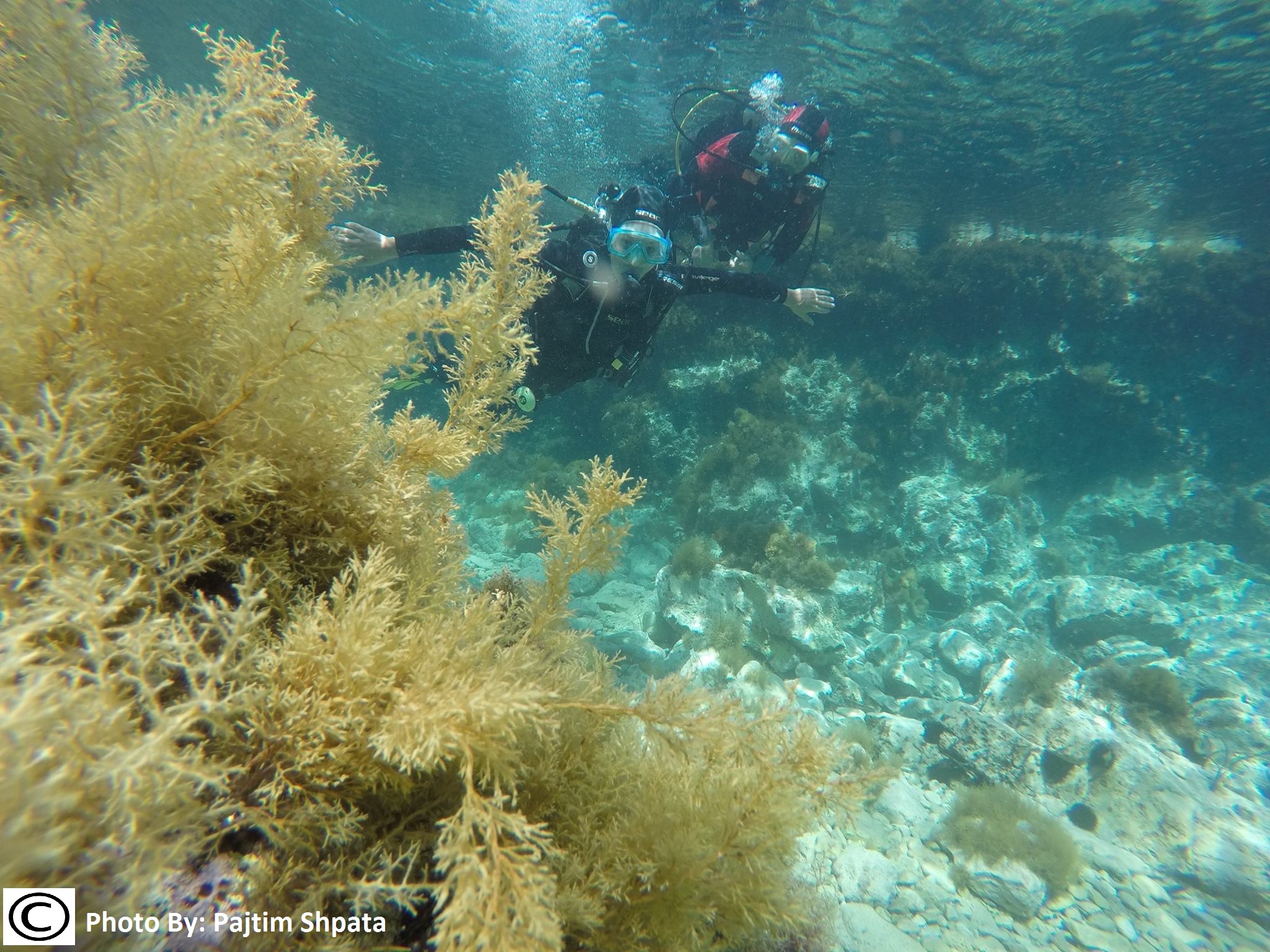
Karaburun-Sazan National Marine Park thrives as a remarkable ecosystem in Albania, boasting a diverse array of marine life. With a stunning concentration of rare and endangered species, our park plays a pivotal role in national-scale marine biodiversity conservation. Our unwavering commitment ensures the safeguarding of invaluable habitats that sustain these species.
The marine fauna and flora are of special interest since this area is located at the border of three sub-regions: the western and eastern Mediterranean Sea and the Adriatic Sea. Therefore the fauna and flora include species of mixed origin: strictly Mediterranean species, remnant fauna and flora from the Atlantic, and migrant fauna from the Indian Ocean through the Suez Canal.
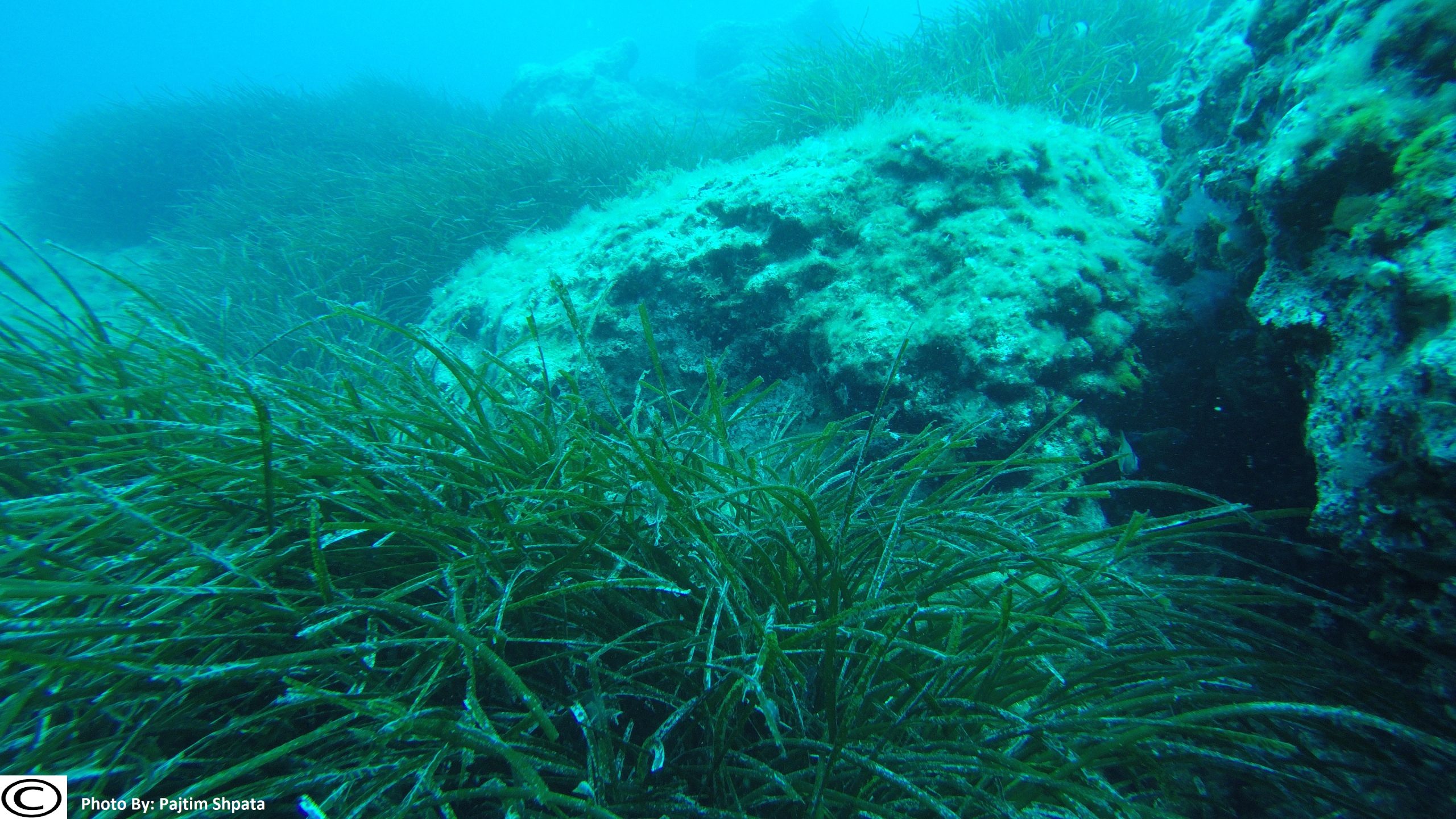
The biological diversity is relatively high in the marine waters of Albania with rare species and the littoral benthos much-developed with a typical Mediterranean physiognomy characterized by the abundance of Mediterranean-Atlantic species. Posidonia oceanica meadows host a relatively high biodiversity of benthic macro-fauna including sponges, cnidarians, bryozoans, mollusks, annelids, crustaceans, echinoderms, and ascidians.
Habitats
Biocenosis of the lower mediolittoral rocks: This habitat teems with life along the rocky shores, providing refuge to various marine organisms adapted to withstand tidal changes and the interplay of land and sea.
Biocenosis of mediolittoral caves: Within the coastal caves, a rich biocenosis thrives, creating a unique and intricate ecosystem that hosts a wide range of marine life.
Biocenosis of the Posidonia oceanica meadows: The Posidonia oceanica meadows form a crucial association, offering shelter and sustenance to numerous marine species, contributing significantly to the park’s ecological balance.
Biocenosis of infralittoral algae: In these submerged areas, a diverse array of algae and associated marine life flourish, forming a vital component of the park’s biodiversity.
Coralligenous biocenosis: The Coralligenous biocenosis is a captivating habitat characterized by the presence of coralline algae, hosting various marine species that depend on this unique ecosystem.
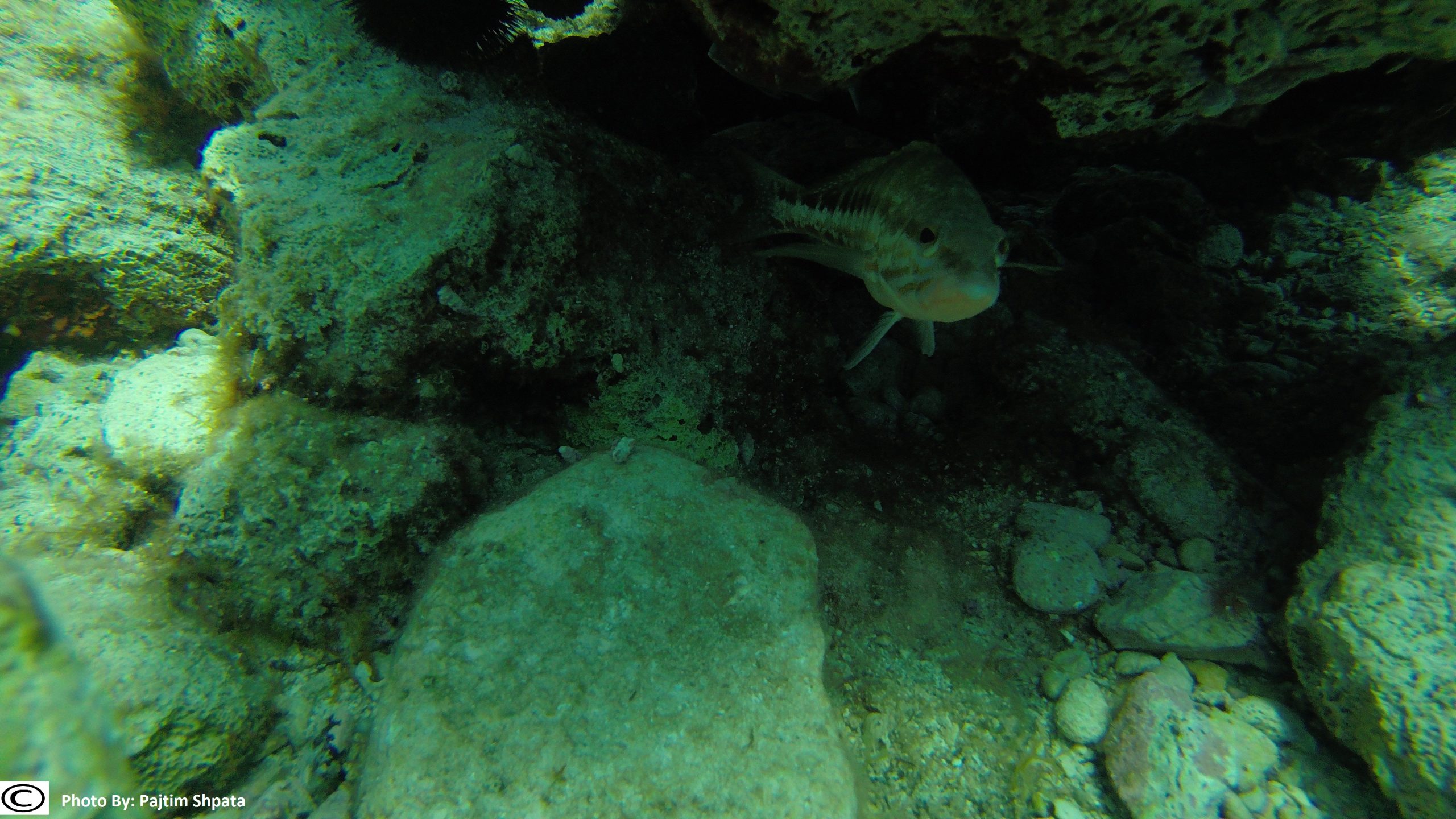
Biocenosis of semi-dark caves :The Biocenosis of semi-dark caves in Karaburun-Sazan National Marine Park is a unique habitat with limited light conditions, nurturing specialized cave-adapted species. These caves play a vital role in supporting biodiversity and provide essential shelter and breeding grounds for marine organisms, making them crucial to the park’s ecological balance.
Charismatic Species
Posidonia oceanica: An essential seagrass species, Posidonia oceanica, forms extensive meadows that serve as critical habitats and breeding grounds for various marine organisms.
Pinna nobilis: This noble pen shell plays a vital role in the park’s ecosystem, filtering seawater and providing shelter to diverse marine communities.
Caretta caretta: The loggerhead sea turtle, Caretta caretta, finds sanctuary within the park’s coastal waters, making it an integral part of our marine conservation efforts.
Chelonia mydas: The presence of the green sea turtle, Chelonia mydas, further enhances the significance of our park as a haven for marine reptiles.
Monachus monachus: Known as the Mediterranean monk seal, Monachus monachus, holds a prominent place in our conservation endeavors, as we strive to protect this endangered species.
Delphinus delphis: The presence of the short-beaked common dolphin, Delphinus delphis, brings joy and wonder to visitors, reminding us of the importance of preserving marine mammal populations.
Lithophaga lithophaga: This rock-boring bivalve, Lithophaga lithophaga, contributes to the park’s marine diversity and ecosystem dynamics.
Lithophyllum bysoides: This encrusting red alga, Lithophyllum bysoides, plays a role in creating and sustaining marine habitats.
Corallium rubrum: The red coral, Corallium rubrum, represents the beauty and fragility of our marine environment, warranting utmost protection.
Epinephelus: The presence of various grouper species, including Epinephelus marginatus, signifies the importance of the park as a refuge for diverse marine fish communities.
VIRTUAL DIVING IN THE MPA